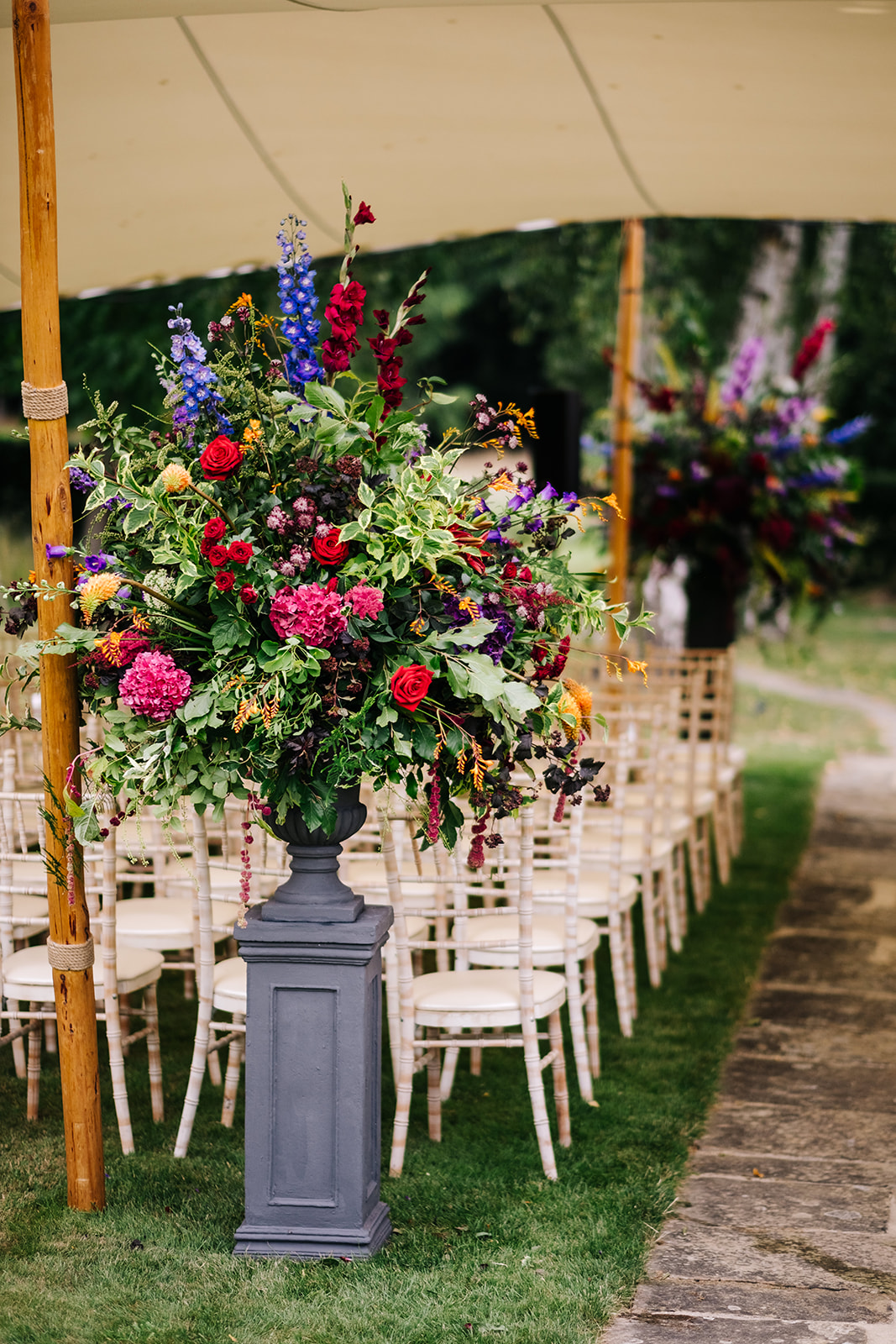
For couples getting married in 2026, now is the moment to pause, take stock and set thoughtful priorities for the year ahead. Successful wedding planning is less about rushing and more about making clear, well-considered decisions that support the experience you want to create.
Rather than focusing on every detail at once, the most seamless weddings are those where the foundations are strong. Guest experience, good logistics and personal meaning should always lead the way. Everything else follows.
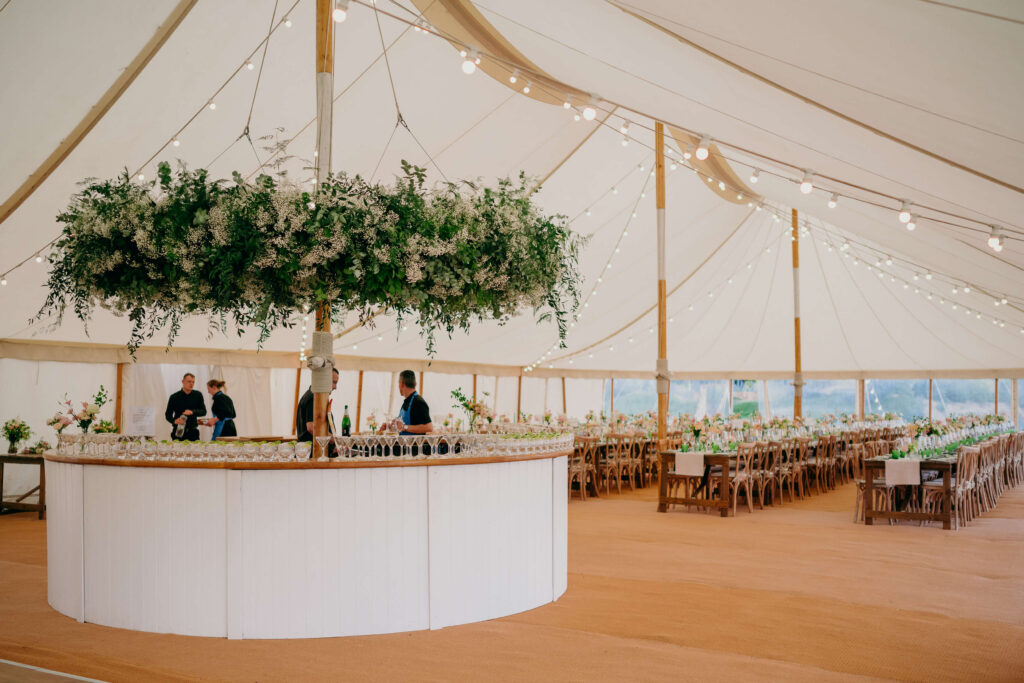
Curating the Guest Experience
One of the most important priorities when planning a wedding is how the day feels for your guests. From the moment an invitation arrives to the final farewell, every touchpoint shapes their experience.
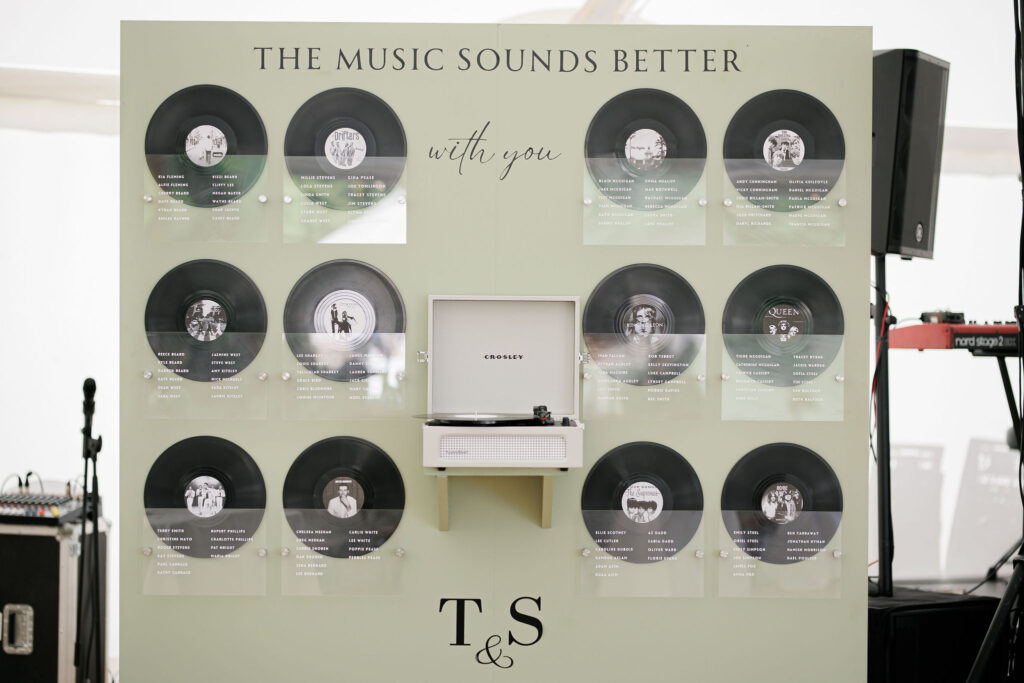
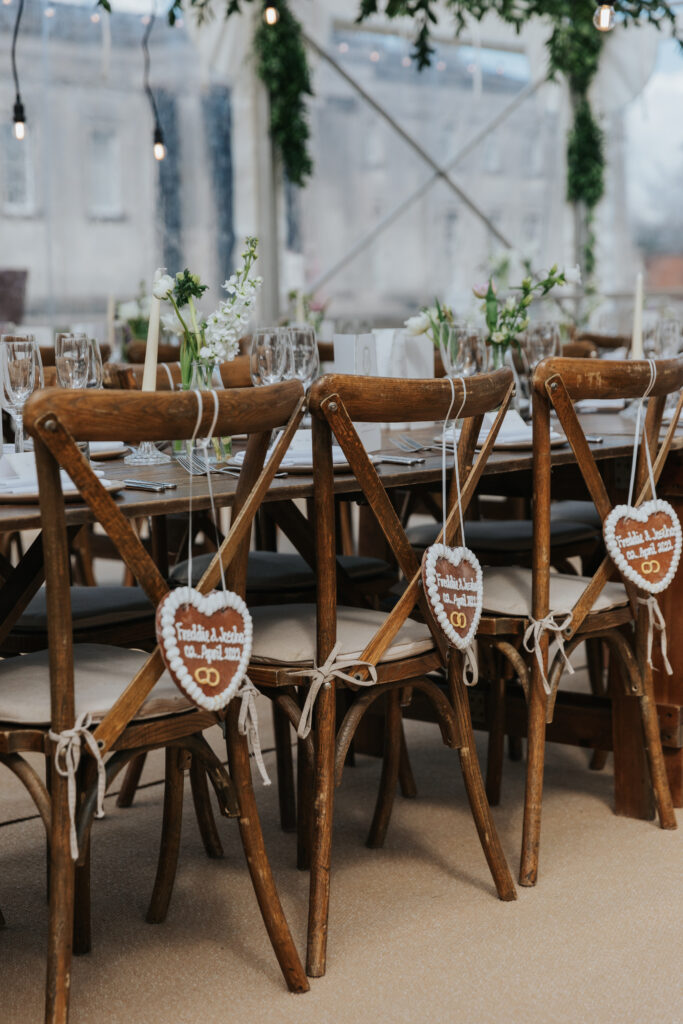
Consider how clearly information is communicated through your invitations and RSVPs. Think about travel between locations, whether guests need transport from a church to the marquee? Or can you provide clear signage and guidance if you’re hosting at home. Table planning is another crucial element that is often underestimated. Thoughtfully seating guests who will enjoy each other’s company helps create a relaxed and sociable atmosphere, particularly during longer meals.
The running order of the day matters too. Allow enough time between moments so guests are not rushed or left waiting. A well-paced day feels effortless, even if it has taken careful planning behind the scenes.
Wet Weather Planning
Regardless of the season, a clear wet weather plan is essential. For marquee weddings and at home celebrations in particular, this should be a priority from the outset rather than a last-minute consideration. Evie and I chat about this in great detail on The Wedding Lounge Podcast.
Covered walkways, hard flooring, sheltered entrances and well-lit routes to loos all contribute to guest comfort. It’s also important to think about where guests will gather during transitional moments if the weather turns. Planning for rain does not mean compromising on style, but it does ensure the day runs smoothly whatever the forecast.
Couples who plan confidently for all scenarios are able to relax and enjoy their wedding without unnecessary stress.
Personal Touches That Feel Meaningful
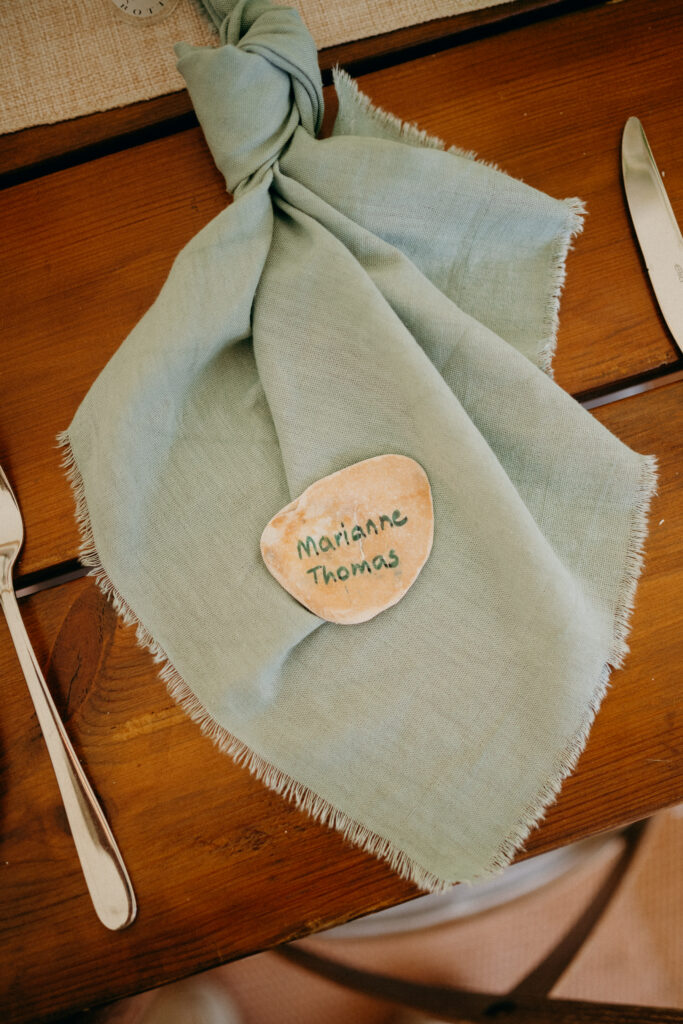
Personal details are what make a wedding feel truly reflective of the couple, but they are most effective when chosen with intention. Rather than adding elements simply because they are expected, focus on what feels authentic to you.
This might be reflected in the food you serve, the structure of the ceremony, the music you choose or how you welcome guests. Personalisation works best when it enhances the overall flow of the day rather than interrupting it. Thoughtful choices, well executed, always feel more impactful than an abundance of detail.
Designing a Day That Flows
A wedding should feel natural and well-paced, not overly structured or hurried. When planning your timeline, think about how each part of the day transitions into the next.
Consider where guests will be at different points, how spaces evolve from ceremony to reception to evening celebration, and how lighting, music and layout support these changes. A well-designed flow allows the day to unfold comfortably and keeps energy levels balanced throughout.
For couples planning a 2026 wedding, clarity and intention are the most valuable tools. By focusing on guest experience, preparing for the unexpected, choosing personal details carefully and building a strong team around you, you create a celebration that feels considered, relaxed and genuinely enjoyable for everyone involved.
Thinking Beyond the Obvious Details
Once the larger decisions are underway, it’s easy to become absorbed by styling choices and surface-level details. This stage of planning is the moment to step back and consider how the day will actually feel. Think about pace, atmosphere and how each part of the celebration flows into the next.
Consider where guests will naturally gather, how long transitions take and whether there are moments that need anchoring with music, drinks or a change of scenery. For marquee weddings especially, this might mean thinking carefully about where guests arrive, where they move after the ceremony and how the space evolves from day to night. These quieter, often overlooked decisions are what create a wedding that feels considered and effortless rather than overworked.

- share -